
Marketing

numbers
Marketing

Why Most Marketing Advice Works Only in Theory

Marketing advice is everywhere. Podcasts, threads, courses, and gurus all promise systems that “always work.” If you follow the steps, trust the framework, and stay consistent, results are supposedly inevitable. But anyone who’s actually tried to market a business knows the truth: what sounds smart in theory often collapses the moment it meets real people, real budgets, and real chaos.

Advice Is Built in Ideal Conditions

marketing strategy

Most marketing advice is created in a vacuum of best-case scenarios. It assumes you have a clear niche, endless time, emotional energy, and a product people already want. In real life, you’re juggling deadlines, self-doubt, client work, and algorithms that change without warning. Strategies that rely on perfect consistency or flawless execution rarely survive messy human schedules.

Humans Don’t Behave Like Case Studies

Marketing advice loves tidy success stories. Do X, then Y, then Z, and watch conversions roll in. But people aren’t linear, predictable decision-makers. They ignore emails they meant to open, buy things for emotional reasons, and ghost brands for reasons no analytics tool can explain. Advice that treats audiences like logic machines breaks down fast in the real world.

Theory Prefers Control Over Reality

The best-sounding advice often assumes you can control outcomes. Publish this, optimize that, follow the formula, and success will follow. Real marketing is probabilistic, not guaranteed. You can do everything “right” and still get silence. Advice that doesn’t account for randomness sets people up to feel like failures instead of participants in an unpredictable system.

Context Gets Stripped Out

A tactic that worked beautifully for one brand often gets recycled as a universal truth. What’s missing is context: audience size, brand trust, timing, pricing, and market saturation. When advice gets separated from the environment it came from, it becomes misleading. You end up copying tactics without the conditions that made them work in the first place.

Simplicity Is Oversold

“Just post every day.” “Just be consistent.” “Just tell your story.” These tips sound helpful, but ignore the complexity underneath. Consistent with what? Story for whom? On which platform, at what stage of awareness? Oversimplified advice feels accessible, but it often leaves people blaming themselves when results don’t show up.

Emotional Labor Is Never Mentioned

Most marketing advice ignores how emotionally draining marketing can be. Showing up publicly, handling rejection, dealing with low engagement, and staying visible while doubting yourself takes real energy. Strategies that require constant output without addressing burnout aren’t sustainable, even if they look efficient on paper.

Algorithms Are Unstable, Not Strategic

akgorithms

A lot of marketing advice is quietly built on temporary algorithm wins. What worked last year—or even last month—may already be obsolete. Platforms reward novelty, not loyalty, and strategies age fast. Advice that promises predictable growth on unpredictable systems sets unrealistic expectations and unnecessary frustration.

What Actually Works Is Less Elegant

What works in real life is usually slower, messier, and more personal than theory suggests. It involves experimenting, paying attention, adjusting, and sometimes throwing out the playbook entirely. It looks less impressive on a slide deck but feels more honest in practice. Real marketing is built through feedback, not formulas.

Most marketing advice works only in theory because theory is clean and reality is not. That doesn’t mean all advice is useless—it just means it needs adaptation, skepticism, and flexibility. The most effective marketing strategies aren’t the ones that promise certainty. They’re the ones that leave room for humans, change, and learning as you go.…

Jakob Barajas
tiktok
Marketing

The Biggest TikTok Marketing Flops: When Big Brands Missed the Beat

There is no denying the power of TikTok as a marketing tool. However, not all brands have been successful in their TikTok marketing efforts. Have you ever heard or read news about a brand’s TikTok campaign gone wrong? Here are some of the biggest TikTok marketing flops that have happened so far. In the end, you’ll learn how to avoid making the same mistakes.

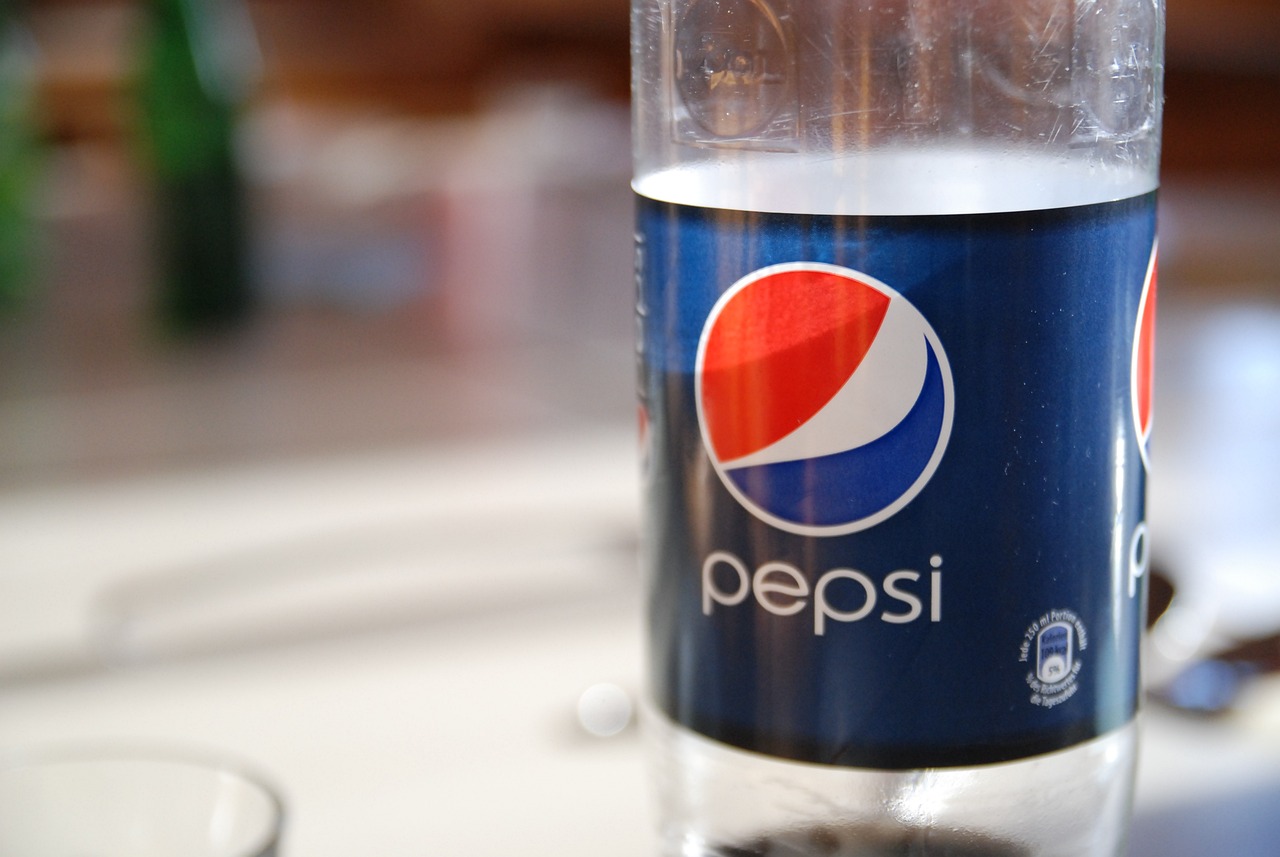
pepsi

Pepsi’s Tone-Deaf Dance

Known for their refreshing beverages and catchy slogans, they decided to jump on the TikTok bandwagon with a dance challenge of their own. But unfortunately, their attempt at riding the viral wave ended up being more like a wipeout. In an effort to connect with the younger generation, Pepsi launched the #PepsiChallenge on TikTok, encouraging users to create videos showcasing their best dance moves while holding a can of Pepsi. Sounds harmless enough, right? Well, not quite. The problem arose when people started pointing out that the campaign seemed tone-deaf and out of touch with reality. Instead of resonating with TikTok users and sparking excitement around their brand, Pepsi found themselves facing backlash from those who felt that they were trivializing important issues. The disconnect between the brand’s intentions and what was happening in society ultimately led to this marketing flop.

Luxury Lament – Gucci’s Glitch

Even the most prestigious brands can make missteps in the fast-paced world of TikTok marketing. This once happened to Gucci. Gucci’s foray into TikTok began with high hopes and great expectations. With its iconic logo and trend-setting designs, it seemed like a perfect match for the platform’s youthful audience. However, their attempt to create buzz fell flat when they launched a hashtag challenge that quickly backfired. The #GucciModelChallenge encouraged users to showcase their best runway walk while wearing Gucci outfits.

The intention was to generate user-generated content featuring their products and boost brand engagement. Unfortunately, what they got instead were videos mocking the challenge or using it as an opportunity to criticize the brand. The glitch in Gucci’s approach was failing to consider how this challenge could be perceived by TikTok users who may not have access to or affinity for luxury fashion. It came across as elitist and out-of-touch rather than inclusive or inspiring. Instead of showcasing diversity and creativity, which are central values of TikTok, this challenge focused solely on promoting lavishness – something that didn’t resonate well with its audience.

h&m

Fashion Faux Pas – H&M’s Hashtag Gone Wrong

This brand attempted to engage with users by encouraging them to create videos using the hashtag #HMxMe. However, what was intended to showcase H&M clothing in a positive light quickly turned into a PR nightmare. Users began posting videos highlighting the controversies surrounding the brand, such as allegations of unethical labor practices and cultural insensitivity. Instead of seeing happy customers flaunting their H&M outfits, viewers were confronted with calls for boycotts and criticisms of the company’s actions.

The lesson here? Brands need to be aware of their reputation before launching any social media campaign. It’s crucial to thoroughly research how your brand is viewed by consumers and address any existing concerns or controversies before diving headfirst into TikTok marketing. Remember, even big brands aren’t exempt from making missteps in their marketing efforts on TikTok or any other social media platform for that matter. The key lies in using these mishaps as learning experiences rather than dwelling on failures.…

Jakob Barajas